Makamaka
Ackama rosifolia
Last updated:
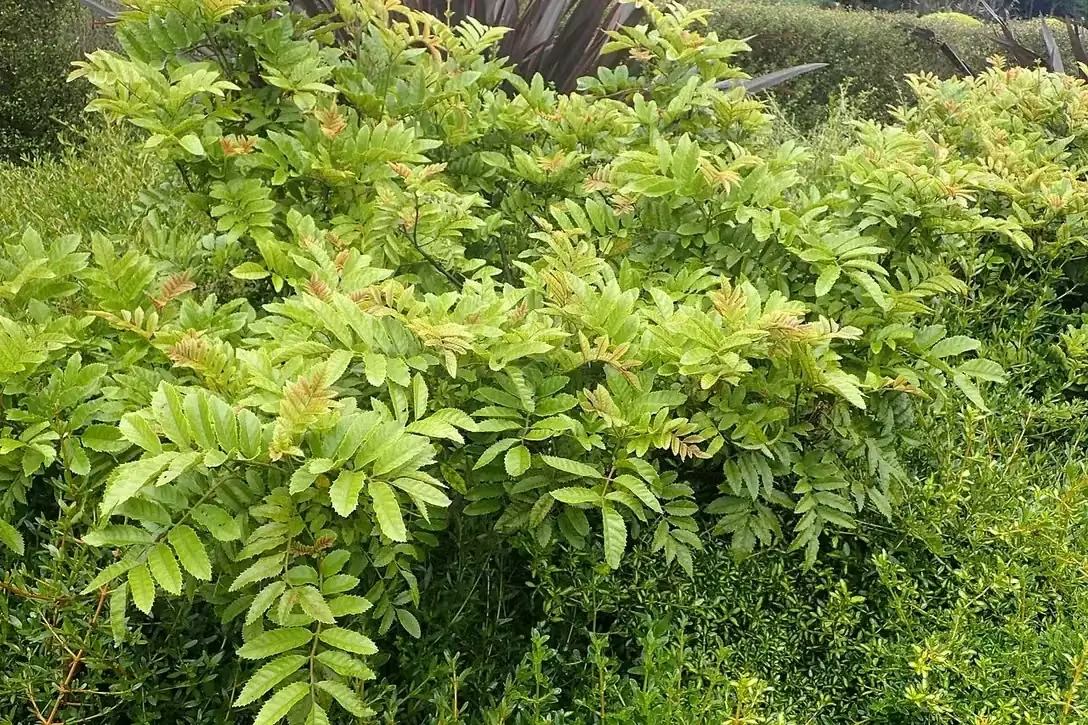
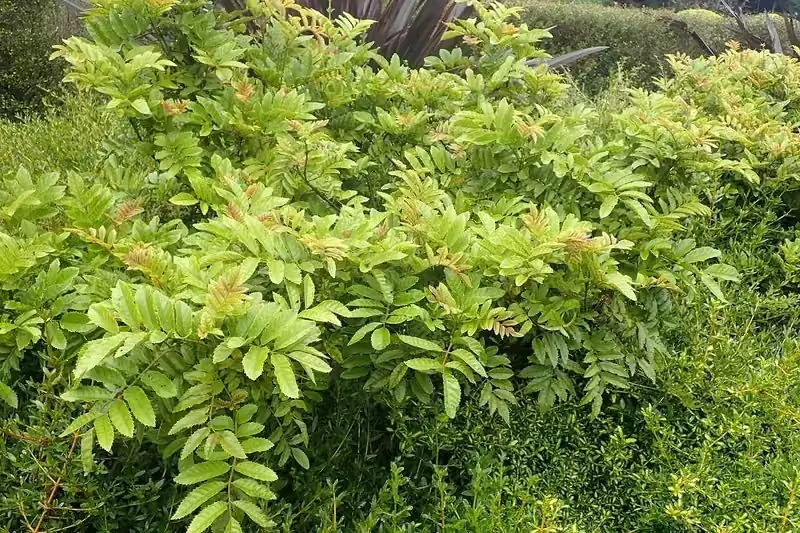
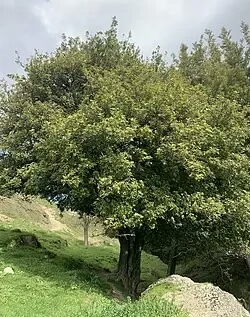
Makamaka (Ackama rosifolia) is a medium-sized evergreen tree endemic to the northern North Island, growing 10 to 15 metres tall with a spread of 5 to 6 metres. Its most recognisable feature is its foliage: compound leaves of serrated leaflets that closely resemble rose leaves, which gives the species its name rosifolia. In spring and summer it bears dense, branched panicles of tiny cream flowers. Makamaka grows naturally in lowland forests, forest margins and along stream banks from Kaitaia south to the Wellsford area, favouring consistently damp, sheltered sites. It prefers frost-free lowland conditions and is not considered threatened. Explore more wetland native plants in our native plant guide.
Plant Description
Identification and Physical Characteristics
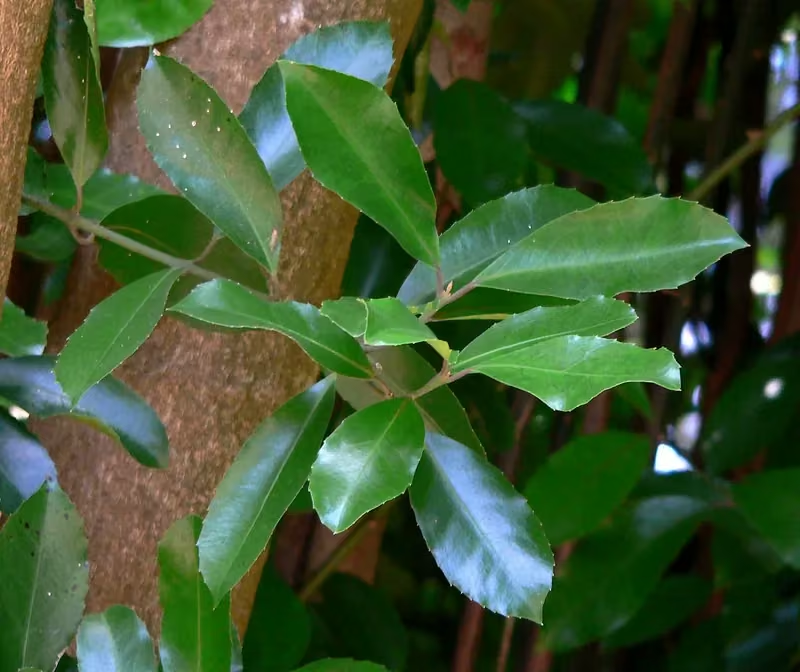
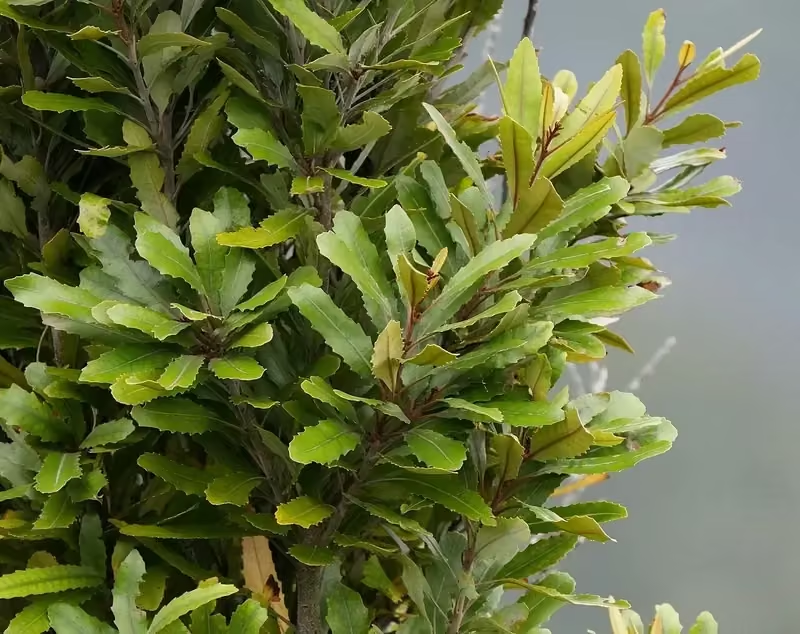
Ackama rosifolia is a medium-sized tree that can reach heights of 10 to 15 meters with a spread of approximately 5 to 6 meters. Its trunk can grow up to 60 cm in diameter and is often covered in smooth, greyish-brown bark. The most distinctive feature of the Makamaka is its foliage; the leaves are compound, typically consisting of 3 to 10 pairs of leaflets plus a terminal one. These leaflets are serrated and closely resemble those of a rose, which is reflected in the specific epithet rosifolia . The upper surface of the leaf is a vibrant green, while the underside often possesses a paler hue. In spring and summer, the tree produces dense, branched panicles of tiny, cream-coloured flowers that add a delicate texture to the canopy.
Quick Facts
| Scientific Name | Ackama rosifolia |
|---|---|
| Height | 10.0 - 15.0 metres |
| Spread | 5.0 - 6.0 metres |
| Water Needs | High - requires consistently damp soil |
| Light | Full sun to partial shade |
| Frost Tolerance | Low - prefers frost-free lowland areas |
| Salt Tolerance | Medium - can handle some coastal exposure |
| Growth Rate | Moderate |
| Lifespan | Long-lived perennial tree |
Climate Best Suited to
Makamaka is a specialist of the warm, temperate climates of the upper North Island. It thrives in regions with high annual rainfall and mild temperatures. It is not particularly frost-hardy and is best suited to lowland areas where extreme cold is rare. It prefers positions with high humidity and consistent moisture, making it an ideal choice for northern New Zealand gardens that can provide a sheltered, forest-like micro-climate.
Regional Suitability
| City | Climate Suitability |
|---|---|
| Auckland | High |
| Whangārei | High |
| Wellington | Low (too cool and windy) |
| Christchurch | Low (unsuitable climate) |
Plant Habitat
Natural Occurrence and Ecology
In its natural range, Ackama rosifolia is found in lowland forests, forest margins, and along the banks of streams. It is endemic to the northern North Island, specifically from Kaitaia south to the Wellsford area. It is a common component of the forest understory and sub-canopy in temperate rainforests where the soil remains consistently damp and the environment is sheltered from extreme winds and frost.
Growing Requirements
Soil Requirements
Requires fertile, free-draining but moisture-retentive soil. It thrives in soils with a high organic content, similar to the forest floor. Avoid heavy clay that becomes waterlogged or sandy soils that dry out too quickly.
- Moisture-retentive
- Rich in organic matter
- Free-draining
Light Requirements
Performs best in full sun to partial shade. While it can tolerate bright, open positions, it benefits from some afternoon shade in very hot regions. In its natural forest habitat, it often begins life in the filtered light of the understory.
- Full Sun
- Partial Shade
Water Requirements
This species has high water needs, particularly during its establishment phase. It is very drought-intolerant and the soil should never be allowed to dry out completely. Consistent moisture is the key to a healthy and vigorous Makamaka.
- High / Consistent
- Never allow to dry out
Planting and Establishing
Establishment Guidance
Makamaka is best planted in autumn or early spring to take advantage of the natural rainfall. Choose a sheltered position that is protected from strong winds and heavy frost. Dig a wide hole and incorporate plenty of compost or well-rotted leaf mold. Water thoroughly after planting and apply a thick layer of organic mulch around the base to retain moisture and keep the roots cool. Regular watering during the first few summers is essential for successful establishment.
Ecological Role
Biodiversity and Ecosystem Impact
In northern lowland forests, Ackama rosifolia plays a significant ecological role. Its dense canopy provides shade and shelter for smaller forest plants and invertebrates. The flowers are an important source of food for native insects, and the resulting seeds are consumed by various forest-dwelling birds. Its presence contributes to the overall biodiversity and structural complexity of the North Island temperate rainforest ecosystem.
Uses & Significance
Garden Uses
Makamaka is a beautiful specimen tree for larger northern gardens. Its rose-like foliage and graceful form make it a standout feature. It is also an excellent choice for stabilizing stream banks or for inclusion in a native forest restoration project. It provides a lush, evergreen presence year-round.
- Specimen tree
- Stream-bank stabilization
- Forest restoration
Ecological Value
Essential for supporting northern forest biodiversity and providing resources for native pollinators and birds.
- Pollinator support
- Avian food source
Landscaping Uses
In professional landscape design, Ackama rosifolia is used to create a sense of lushness and northern heritage. Its unique foliage provides a beautiful textural contrast to other large-leaved natives. It is perfect for creating sheltered, forest-like environments in urban parks or large residential developments where its growth and beauty can be appreciated over time.
Seasonal Care Calendar
Spring
Watch for new growth and the appearance of flower panicles. This is the best time for an annual application of native plant fertilizer and ensuring the mulch layer is replenished.
- Monitor growth
- Annual feeding
Summer
The peak growing and flowering period. Monitor soil moisture closely and ensure the tree is watered regularly during any dry spells. Enjoy the delicate floral display.
- Consistent watering
- Enjoy flowering
Autumn
The ideal time for new plantings. Tidy up the area around the base of established trees and ensure they are well-prepared for the wetter months ahead.
- Planting season
- General tidy
Winter
Maintain the mulch layer. In areas prone to light frost, ensure young trees are protected. Monitor for any wind damage after winter storms.
- Maintain mulch
- Frost protection
When to Prune and How Much
Makamaka generally requires very little pruning. It naturally forms a well-balanced canopy. If necessary, pruning to shape or maintain size should be done in late winter or early spring before the new growth begins. Always use clean, sharp tools and remove any dead or diseased wood as soon as it is noticed.
- Minimal pruning needed
- Shape in late winter
Always use sharp, clean tools to ensure healthy recovery.
How to Grow Makamaka
Growing Makamaka ( Ackama rosifolia ) from seed or cuttings is a rewarding process for the patient native gardener. This elegant northern tree, adapted to the warm and moist conditions of temperate rainforests, requires specific care to ensure successful germination and healthy long-term development. The most critical factors for success are providing consistently damp soil, a sheltered position, and protection from severe frost and drought. Because it is a northern specialist, it is most easily established in regions that mimic its natural habitat from Kaitaia to Wellsford.
From Seed
Seed propagation is a common method for Ackama rosifolia , although germination can be inconsistent. Collect fresh seeds in late summer or autumn when the fruits are mature. Sowing fresh seed is highly recommended for the best results. Sow the seeds onto the surface of a moisture-retentive, seed-raising mix and lightly cover with a thin layer of fine grit or compost. To break natural dormancy, some growers recommend a period of cold stratification for 2-3 months. This can be achieved by placing the sown pot in a sealed bag in a refrigerator before moving it to a warm, bright spot for germination. Keep the soil consistently moist but not waterlogged throughout the process.
- Collect fresh seeds in autumn
- Sow on moisture-retentive mix
- Provide cold stratification if needed
- Maintain consistent moisture
Once seedlings are large enough to handle, move them into individual deep pots to allow for their root development.
From Cuttings
Vegetative propagation via semi-hardwood cuttings is often considered a more reliable method than growing from seed. Take cuttings in late summer or autumn from healthy, current-season growth. Use a rooting hormone and place the cuttings in a free-draining but moist propagating mix. Maintaining a humid environment, such as in a mist tent or under a plastic cover, will significantly improve success rates.
Replant the rooted cuttings into individual pots once they have established a robust root system and keep them in a sheltered area until they are ready for their final garden position.
- Take semi-hardwood cuttings
- Use rooting hormone
- Maintain high humidity
Additional Methods
Makamaka can also be established from young nursery-grown plants, which is often the easiest route for home gardeners. The best "additional method" for success is meticulous site selection and preparation. Creating a sheltered, forest-like environment with plenty of organic matter in the soil will provide the perfect start for this northern treasure. Using a deep mulch of wood chips or leaf mold around the base of the plant is vital; it keeps the roots cool, protects against drought, and mimics the tree's natural rainforest floor habitat.
- Select a sheltered position
- Use deep organic mulch
- Ensure protection from frost
Pests & Diseases
Makamaka is generally resistant to many common pests. However, in lowland settings, it can be susceptible to scale insects or aphids on the new growth. Root rot can occur if the soil is poorly drained or if the tree is overwatered in heavy ground. Maintain good air movement and sharp drainage to prevent these problems.
Cultural Significance
Makamaka holds a special place in the botanical heritage of northern Aotearoa. While not as widely used as some of the larger timber trees, it is a respected member of the northern temperate rainforest community. Its distinctive rose-like leaves and graceful form make it a valued part of the unique biodiversity that characterizes the North Island's upper regions. It stands as a symbol of the lushness and resilience of New Zealand's northern forest flora.
- Northern forest heritage
- Unique botanical identity
Bonus Tip
Plant Makamaka near a pond or water feature where it can appreciate the high humidity and consistent moisture it craves.
Cultivating this species effectively involves a deep understanding of its natural adaptations and environmental preferences. By mimicking its native habitat-whether that be the cool, moist understory of a temperate rainforest or the exposed, well-drained slopes of an alpine range-gardeners can ensure robust growth and long-term health. Regular observation and minimal, targeted intervention are often the best strategies for maintaining the unique characteristics and ecological contributions of this remarkable New Zealand native plant.
Related Plants
Explore other native plants that share similar characteristics or habitats with Makamaka ( Ackama rosifolia ), offering further insights into New Zealand's diverse flora. These related species provide context and opportunities for complementary planting in your garden. For another native tree, explore Kohekohe.



Plant Conservation
Conservation Status and Threats
Currently classified as "Not Threatened," Ackama rosifolia maintains healthy populations in its restricted northern range. However, it is essential to monitor its lowland forest habitats for any impacts from climate change, localized land use changes, or the presence of invasive species. Protecting the integrity of the northern North Island's temperate rainforests is vital for the long-term success of the Makamaka.
Frequently Asked Questions
How tall does makamaka grow?
It grows to about 10 to 15 metres tall with a spread of 5 to 6 metres.
Where is Ackama rosifolia found?
It is endemic to the northern North Island, from Kaitaia south to the Wellsford area.
Does makamaka tolerate frost?
No, it has low frost tolerance and prefers frost-free lowland areas.
What soil does makamaka need?
It needs consistently damp soil and grows best in sheltered, humid lowland sites.
Sources and Further Reading
The botanical, growing, and conservation details for Makamaka (Ackama rosifolia) on this page draw on authoritative New Zealand plant references and citizen-science observation records. Consult the sources below for full technical records and the latest distribution data.